Spinning for Dollars: How Slot Streamers Built a Business Out of Someone Else's Casino
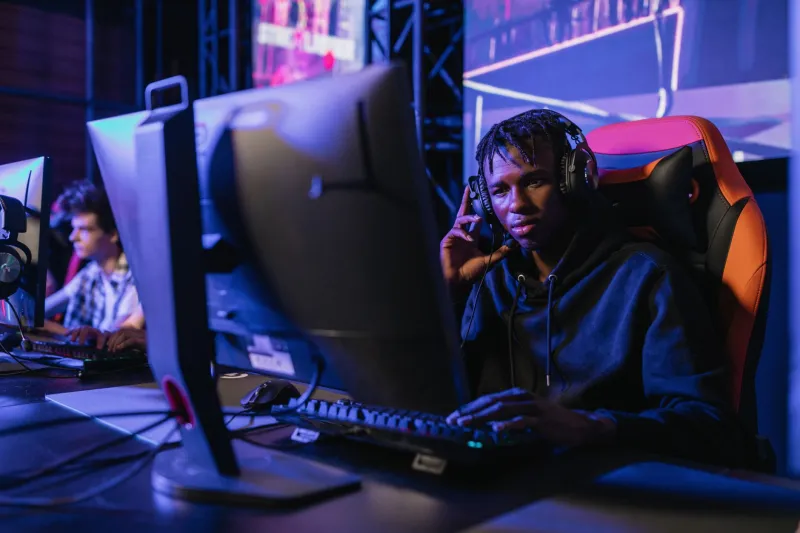
Open Twitch on any given evening and there's a decent chance you'll find someone spinning slots on a live stream. Maybe they're hitting a bonus round to a crowd of hundreds cheering in the chat. Maybe they just triggered a massive multiplier and the stream explodes with celebration. It looks like pure entertainment. And for the viewer, it mostly is.
For the streamer, it's a business — and a surprisingly profitable one.
The Three Revenue Engines Behind a Slot Stream
Let's start with the money, because understanding how streamers get paid changes how you watch them.
Affiliate commissions are the backbone of most slot streaming operations. When a streamer drops a link to an online casino in their description or chat, that link contains a unique tracking code. Every viewer who clicks it, signs up, and deposits money generates a commission for the streamer — typically a percentage of the net revenue that player generates for the casino over time. In the affiliate world, this is called a revenue share deal, and top-tier streamers can negotiate rates anywhere from 25% to 45% of referred player losses.
Do the math on a streamer with a dedicated audience of 10,000 regular viewers. Even if a small fraction converts to depositing players, the monthly commission income can easily run into five figures.
Direct casino sponsorships sit above affiliate deals on the value ladder. Here, a casino pays a streamer a flat fee — sometimes a monthly retainer, sometimes a per-stream rate — to play exclusively on their platform, feature their branding, and drive traffic through dedicated promotions. These arrangements are worth significantly more than pure affiliate setups, and the biggest names in slot streaming are essentially full-time brand ambassadors for specific operators.
Platform revenue — subscriptions, donations, and ad revenue on Twitch and YouTube — layers on top of the casino-specific income. A streamer with 5,000 Twitch subscribers at $4.99 per month is clearing roughly $25,000 monthly from subscriptions alone before any casino money enters the picture.
The Bankroll Question
Here's where things get genuinely complicated. A natural assumption when watching a slot stream is that the person on screen is gambling their own money. Sometimes they are. Often, they're not.
Many casino sponsors provide streamers with a promotional balance — essentially free credits to play with on stream. The streamer gets the content, the casino gets the exposure, and any winnings during the session may or may not be real money the streamer can actually withdraw (the terms vary wildly by arrangement). Some streamers are fully transparent about this setup. Others... aren't.
This matters because it fundamentally changes the risk profile of what you're watching. A streamer playing with house money who hits a $50,000 bonus round is experiencing something categorically different from a regular player risking their own bankroll. The celebration looks the same on screen. The stakes aren't.
Regulatory bodies in the UK and several European countries have pushed hard for mandatory disclosure when streamers are playing with non-personal funds or receiving compensation from the casinos they feature. In the US, the FTC's endorsement guidelines technically require material relationship disclosure, but enforcement in the gambling content space has been inconsistent at best.
Why Casinos Are Completely Fine With All of This
At first glance, you might wonder why casinos would want their games showcased in sessions that sometimes feature enormous wins. Doesn't that suggest the casino is losing money?
The answer is that big wins are marketing. A streamer hitting a $100,000 jackpot on a live broadcast generates clips that circulate for months across YouTube, Reddit, and social media. Every person who watches that clip and thinks "I want a shot at that" is a potential depositing player. The casino's cost of that jackpot — assuming it was paid from a real player balance rather than promotional funds — is often dwarfed by the new player acquisition value it generates.
Operators also understand that streaming content functions as a product demo. New slot titles get exposure to audiences they'd never reach through traditional advertising. For game developers, getting a popular streamer to feature a new release is worth more than most paid media placements.
Does Watching Streams Actually Affect How You Play?
This is the part that's worth sitting with for a minute. Research on gambling behavior suggests that social proof is a powerful motivator — seeing others win makes a specific game feel more winnable to observers, even when intellectually you know that each spin is independent and unaffected by what happened on someone else's stream.
Streamers also tend to play at bet sizes that would be completely unsustainable for most viewers. If a content creator is spinning at $20 or $50 per spin and hits a feature, the resulting win amount looks spectacular. The same bonus round at $0.50 a spin — which is closer to what many players actually wager — produces a fraction of that payout. The visual spectacle of high-stakes streaming doesn't translate to the average player's bankroll reality.
None of this means slot streaming is inherently harmful or that all streamers are operating in bad faith. Plenty of creators are genuinely transparent about their arrangements and provide real entertainment value. But going in with clear eyes about the business model behind the content makes you a smarter viewer — and a smarter player.
The Bottom Line
Slot streaming is a legitimate industry built on a genuinely clever intersection of entertainment, affiliate marketing, and casino promotion. The creators who do it well have built real audiences and real businesses. The casinos that sponsor them are getting measurable ROI.
What it isn't, in most cases, is a regular person sitting down with their own money and having a casual session that just happens to be live. Understanding that distinction doesn't diminish the entertainment — it just helps you separate the show from the reality of your own gaming decisions.