Your Favorite Slot Feels Different — Because It Is: How Game Updates Change the Way You Win
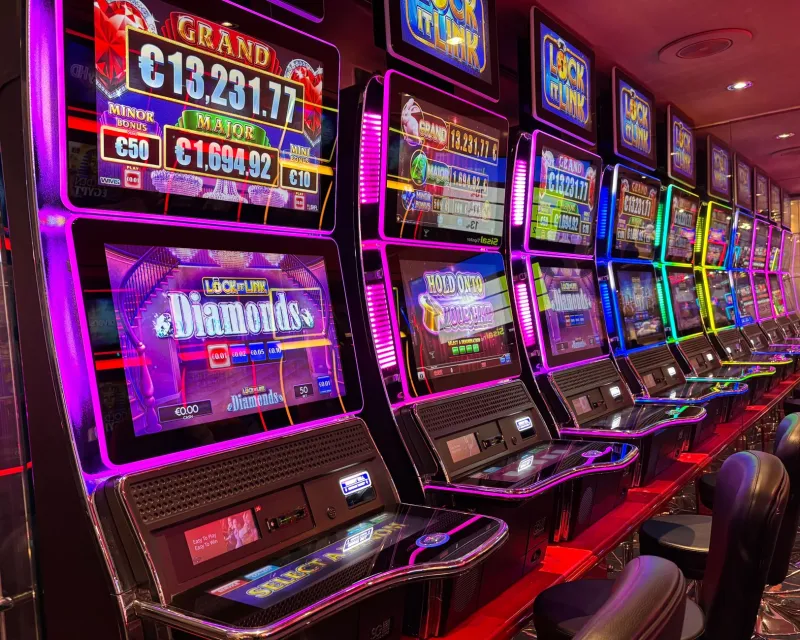
There's a particular kind of frustration that slot players know well. You've found a game you love — the volatility fits your style, the bonus triggers often enough to keep things interesting, and you've had some genuinely solid sessions on it. Then one day, something shifts. The free spins feel harder to land. The base game wins dry up faster. The whole experience just feels... tighter.
You mention it in a forum and someone tells you the game got updated. And you think: can they actually do that?
Yes. They absolutely can. And it happens more often than most players realize.
What Exactly Can a Software Update Change?
When a developer pushes an update to a slot game, they have access to a surprisingly wide range of mechanical variables. The most significant ones from a player's perspective are:
RTP (Return to Player): This is the percentage of wagered money the game is mathematically designed to return to players over a statistically significant number of spins. A game running at 96% RTP is theoretically returning $96 for every $100 wagered. Developers can adjust this number — sometimes by fractions of a percent, sometimes by more — and the change is entirely legal as long as it's disclosed in the updated game documentation.
Volatility: This setting controls the distribution of wins. A low-volatility game pays out smaller amounts frequently. A high-volatility game pays less often but with bigger swings. Adjusting volatility changes the entire feel of a game — a slot that used to feel "warm" and active can shift into a grinder after a volatility increase.
Feature Frequency: How often does the bonus round trigger? How frequently do wild multipliers appear? These parameters live in the game's math model and can be tuned independently of the base RTP. A developer might lower the bonus trigger rate while increasing the average payout when it does hit — technically preserving the RTP while dramatically changing the playing experience.
Hit Rate: The raw frequency of any winning combination. A lower hit rate means more dead spins between wins, which changes the feel of a session even if the total payout over time is similar.
Real Changes That Players Noticed
This isn't just theoretical. The slot community has documented several notable cases where games felt meaningfully different after updates.
One of the most discussed examples involves older versions of popular NetEnt titles that were adjusted after the company underwent ownership changes. Players on major slot forums noted that games they'd tracked for years were returning different results, and when they dug into the updated paytables, the fine print confirmed RTP adjustments.
Pragmatic Play's library has also seen version-based RTP variations — some of their titles are offered in multiple configurations, with different casinos hosting different RTP versions of the same game. This means two players spinning the same-named slot on different platforms might be playing games with meaningfully different math models without either of them knowing.
The Big Bass series, one of the most-played slot franchises in the US online market, has seen multiple sequels and revisions. Players moving between versions sometimes find the rhythm feels different — because the underlying parameters often are different, even when the theme and mechanics look nearly identical.
Why Do Developers Make These Changes?
The short answer is balance — between player engagement and casino profitability.
If a game is paying out too generously relative to what the casino expected, operators may request a version with tighter parameters. If a game is losing players because it feels too dry, developers might tune the hit rate up to improve session feel. It's an ongoing calibration, not a one-time design decision.
There's also regulatory pressure. Some jurisdictions have tightened rules around maximum RTP or volatility levels, requiring developers to update games to stay compliant in specific markets. US-facing operators in regulated states like New Jersey, Pennsylvania, Michigan, and Connecticut are particularly subject to these kinds of requirements.
How to Tell If Your Game Has Changed
You can't always know for certain, but there are practical ways to check.
Check the paytable version number. Most modern slots include a version identifier in the game info or paytable screen. If that number has changed since you last played, something in the game has been updated. It might be minor (a visual fix), or it might be substantive.
Look up the current RTP in the casino's game info. Regulated casinos are required to display the RTP for each game, and that number should match the version currently running. If you remember the RTP being different, that's a signal.
Compare your session data over time. If you've been tracking your play (and you should be), a sustained shift in your hit rate or bonus frequency over a statistically meaningful sample — say, 1,000+ spins — is worth noting. One bad session proves nothing. A consistent pattern is more telling.
Check player forums. The slot community is observant. Sites like Casinomeister and various Reddit communities often surface game change discussions within days of an update going live. If something feels different, there's a decent chance someone else noticed first.
What You Can Do About It
Honestly? Not much in terms of reversing the change. But you have more options than you might think.
First, remember that you're not obligated to keep playing a game that no longer fits your style. If a slot that used to match your preferred volatility has shifted into territory that doesn't work for you, move on. There are hundreds of alternatives.
Second, look for older game versions when possible. Some casinos specifically offer "classic" versions of popular titles alongside their updated counterparts. It's worth asking support which version is running before you sit down for a session.
Third, adjust your expectations when a sequel drops. Game sequels almost never have identical math models to their predecessors. Big Bass Bonanza and Big Bass Splash, for example, play differently in ways that matter. Don't assume a sequel will feel like the original just because it shares a theme.
The Takeaway
Slot games are living products. They get updated, adjusted, and reconfigured — sometimes for legitimate regulatory reasons, sometimes for business reasons, and sometimes for both. The game you loved six months ago might be running different math today.
That's not necessarily a scandal, but it is something every serious player should understand. When you know what to look for, you stop blaming your luck and start asking better questions. And asking better questions is always the sharper move at the slots.