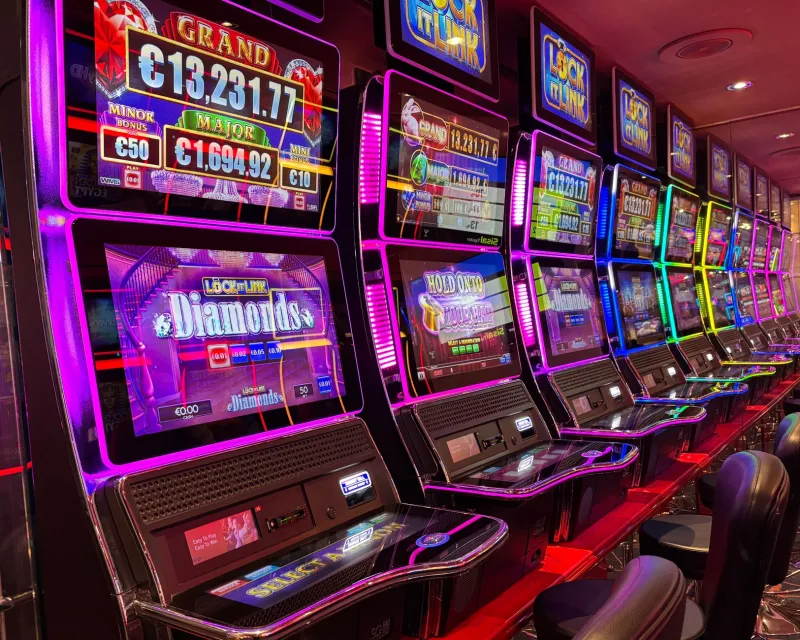
Four Hours Gone in a Flash: The Hidden Design Forces That Swallow Your Time at the Slots
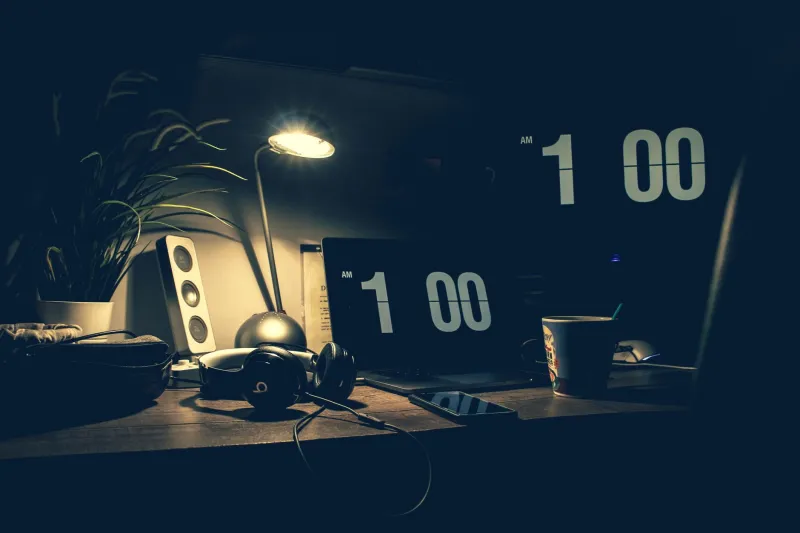
It happens to just about every slot player at some point. You crack open your laptop, tell yourself you'll spin for a bit before dinner, and then — bam — the kitchen's gone cold and three episodes of whatever you were going to watch are still sitting unwatched. The clock says 11:47 PM. You could've sworn it was barely eight.
This isn't a personal failing. It's not even really a mystery, once you understand what's going on under the hood. Online slots are, among many other things, some of the most finely tuned time-distortion machines ever built. And if you play them without knowing how that works, your bankroll and your schedule are both going to take hits you didn't plan for.
Let's break down exactly why slots hit different when it comes to warping your sense of time — and what you can actually do about it.
The Endless Loop Problem
Most forms of entertainment have natural pause points built in. A football game has quarters. A movie has a runtime. Even a hand of blackjack has a moment — however brief — where the round ends, chips get pushed, and there's a tiny beat of transition before the next hand begins.
Slots don't really work that way. The moment one spin resolves, the next one is available. No dealer shuffling. No commercial break. No waiting for the table to fill back up. The path of least resistance is always the same: hit spin again.
This continuous-play structure is sometimes called a "closed loop" in game design circles. There's no natural exit ramp. The game never asks you to stop. Stopping is entirely on you, and every second you sit there, the default action is to keep going. That's a subtle but enormous psychological difference from almost every other form of gambling or entertainment you can name.
Sound Design Is Doing More Work Than You Realize
Close your eyes during a slot session sometime and just listen. The audio environment in a modern online slot is a carefully constructed experience. Wins — even small ones that don't cover your bet — trigger celebratory sounds. Music loops are designed to stay energizing without becoming grating. Bonus features come with escalating audio cues that feel like something exciting is always about to happen.
Sound designers working on these games are not just filling silence. They're managing your emotional state. Upbeat, consistent audio keeps your nervous system in a kind of engaged neutral — not bored, not overwhelmed, just... present. And when you're in that state, time genuinely moves differently. Psychologists call it "flow," and it's the same mental zone people hit when they're deep in a video game or a really absorbing book. The difference is that a book eventually ends.
When the sound design is doing its job, you stop tracking time externally. You're just in the session.
Visual Pacing and the Near-Miss Effect
Slot visuals are paced to keep your eyes engaged without giving your brain enough resolution time to wander. Reels spin, symbols tumble, animations fire — the screen is almost never static. And even when you don't win, the visual presentation is often designed to suggest you almost did.
The near-miss effect is well-documented in gambling research. When two jackpot symbols land on the payline and the third stops just above or below, your brain processes that almost like a partial win. It triggers a mild dopamine response and a "try again" impulse that's stronger than what you'd feel after a clean, obvious loss. Slots are built with this in mind. The frequency of near-miss outcomes isn't random — it's calibrated.
Each near-miss nudges you toward one more spin. And one more spin is all it takes to extend the session another few minutes. Multiply that by a hundred near-misses over an evening and you can see how four hours evaporate.
The Absence of External Time Cues
Land-based casinos have famously spent decades removing clocks from their floors. No windows, no natural light, no visual indicators of time passing. Online slots take this further by default — you're playing in a browser or an app, in your own home, probably with the lights on and your phone nearby. Sounds like you'd notice time passing, right?
Except here's the thing: when you're in flow state, you don't check your phone. You don't look at the clock on the wall. Your attention is narrowed to the screen in front of you. The absence of time cues in the game itself means your brain has to actively pull itself out of the session to check in with the real world — and it often just doesn't bother.
This is different from watching TV, where ads or episode endings constantly interrupt the experience. Slots have no interruptions unless you create them yourself.
Why This Matters for Your Bankroll
Time distortion isn't just a quirky side effect. It has direct financial consequences. The longer you play without intention, the more likely you are to deviate from whatever budget you set when you sat down. It's not that you made a bad decision in the moment — it's that the session extended so far past your original plan that the original plan stopped feeling relevant.
This is why responsible bankroll management isn't just about how much you deposit. It's about duration. Setting a time limit before you start — and using an actual external alarm to enforce it — works better than relying on your in-session judgment. Your in-session self is operating in a state specifically designed to lose track of time.
Practical Moves to Stay in Control
Knowing the mechanism is half the battle. Here are a few approaches that actually help:
Set a timer before you start. Not a mental note — a literal alarm on your phone. When it goes off, that's a real stopping point, not a suggestion.
Take manual breaks. Stand up, get water, look out a window. Physically interrupting the loop resets your time perception and gives you a genuine choice about whether to continue.
Track sessions separately from wins and losses. Keep a simple note of how long you actually played. Most players are surprised when they start doing this.
Use platform tools. Most reputable online casinos offer session time reminders and deposit limits. These aren't just there for show — they're genuinely useful guardrails when your in-game brain isn't keeping score.
Play with purpose. Know what game you're playing, why you chose it, and what a satisfying session looks like before you start. Players who have a loose plan going in tend to stick to it better than those who just open whatever's on the homepage.
The Bottom Line
Online slots are designed to be absorbing. That's not a conspiracy — it's just good game design doing exactly what it's supposed to do. The problem isn't the design itself; it's playing without any awareness of how it affects you.
Once you understand that the time-bending quality of a slot session is a feature, not a bug, you can account for it. You can build your own stopping points into an experience that doesn't have any built-in ones. You can enjoy the ride without waking up four hours later wondering where the night went.
Spin smart, set your limits, and let the games be entertainment — not a time warp you didn't sign up for.